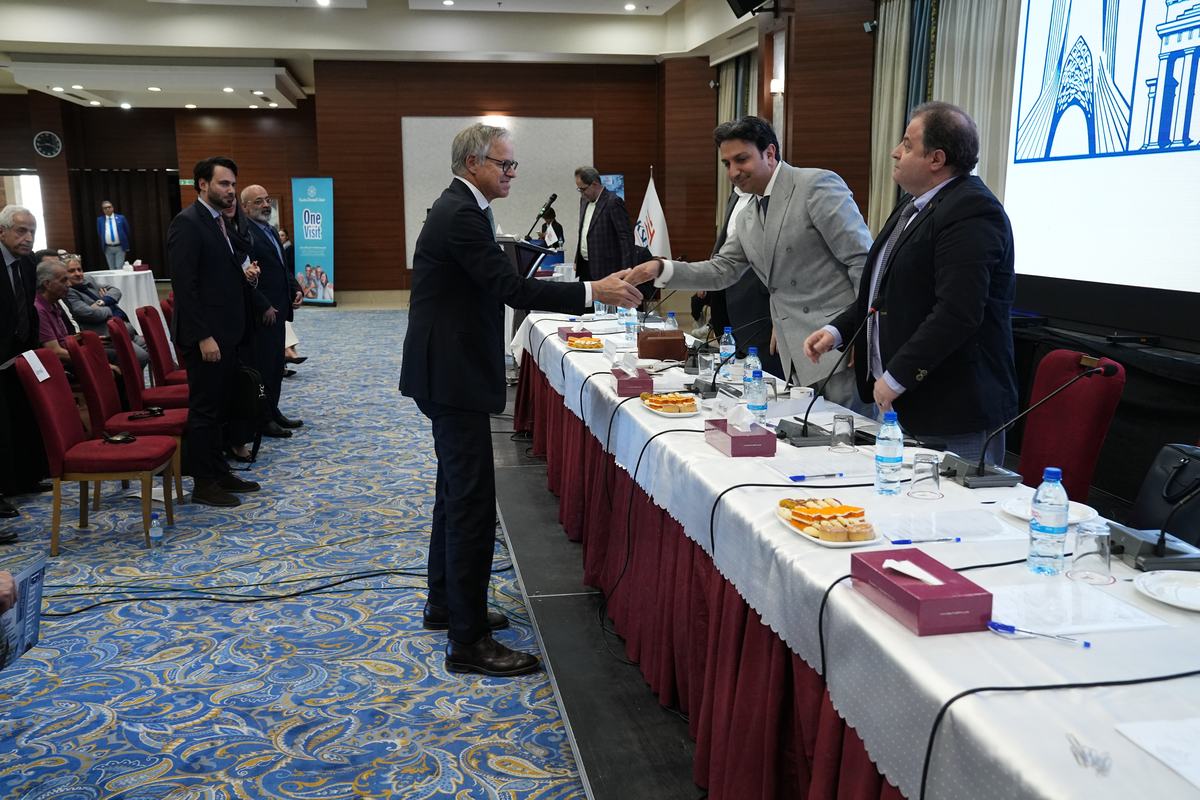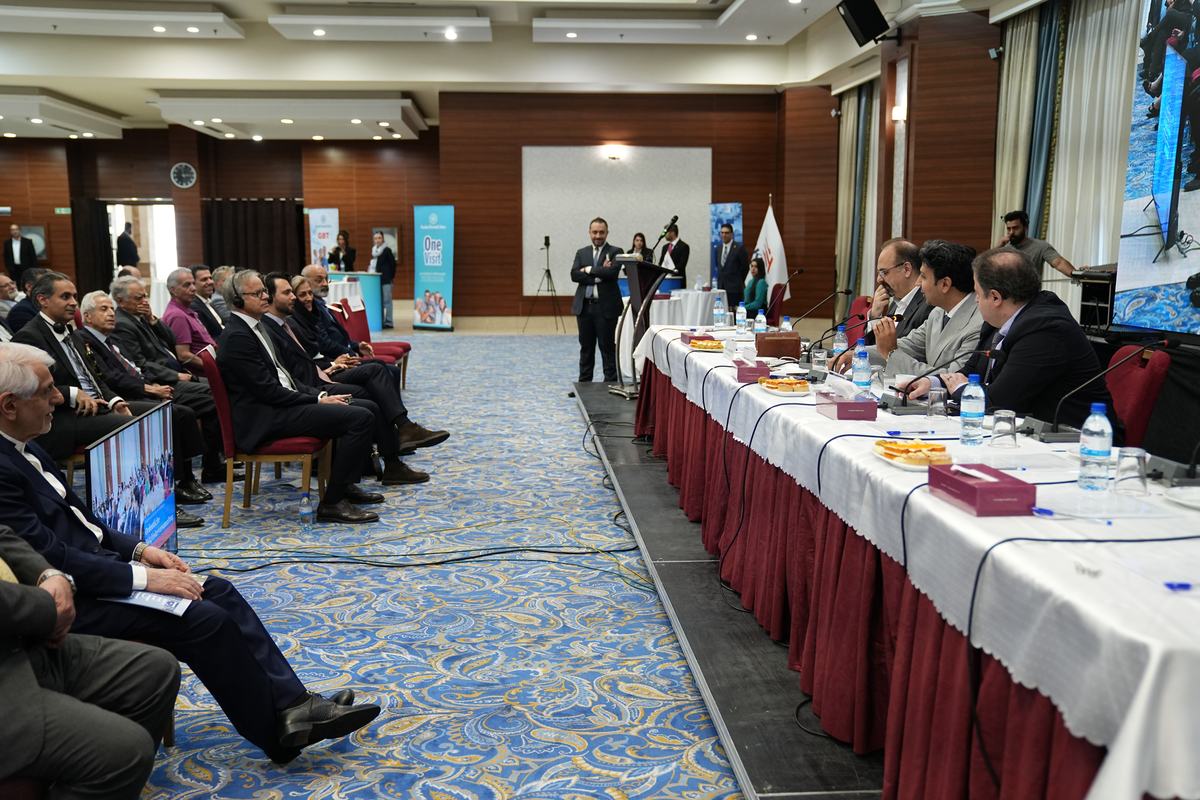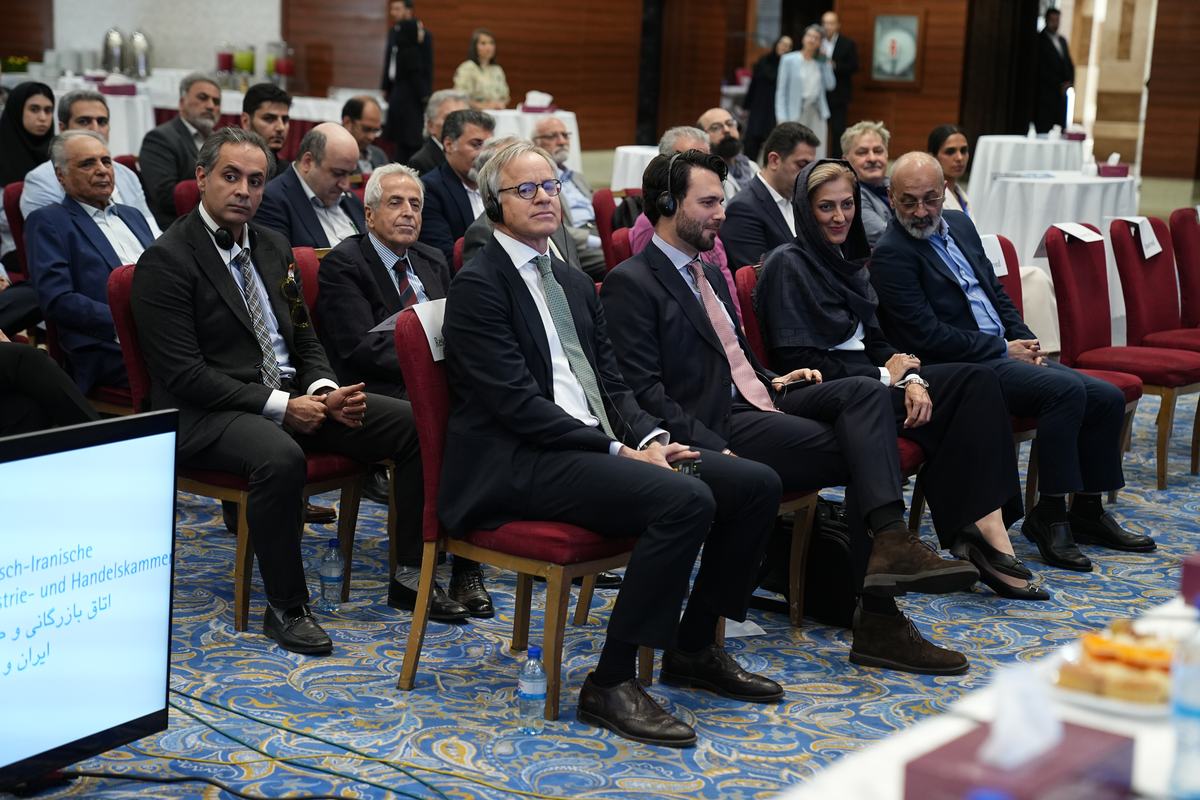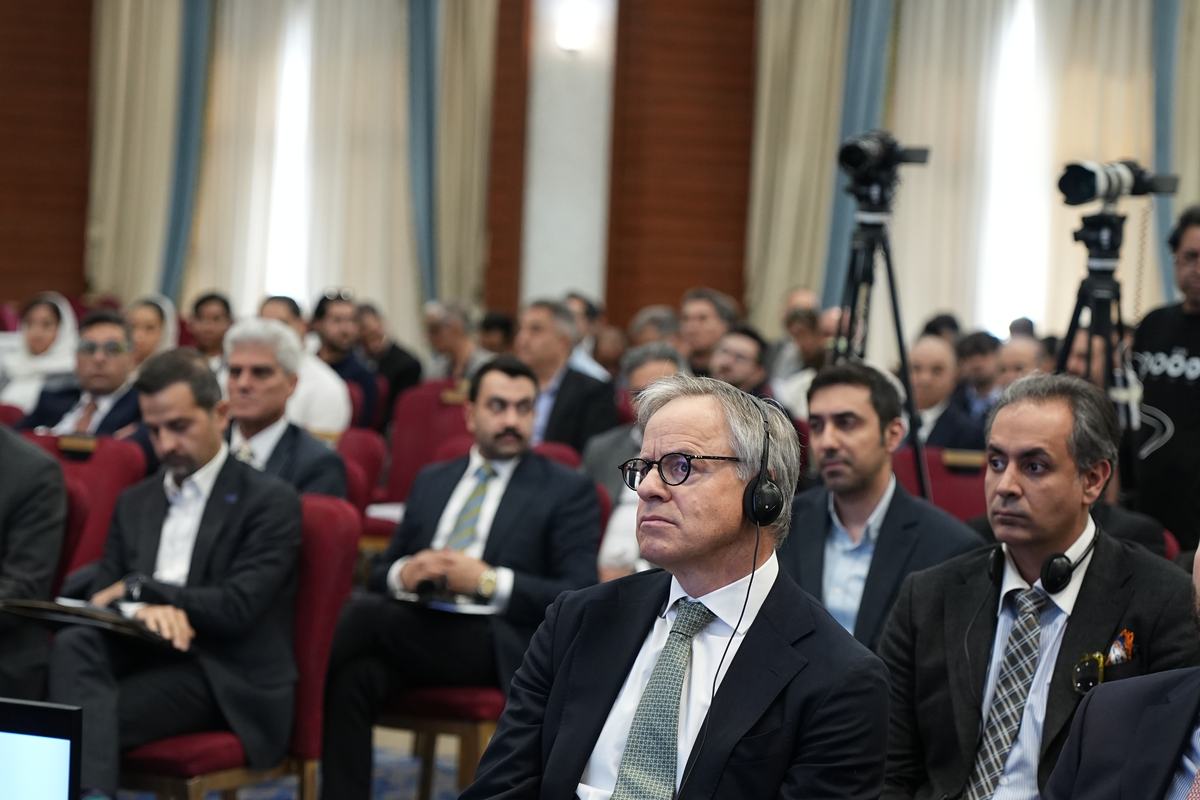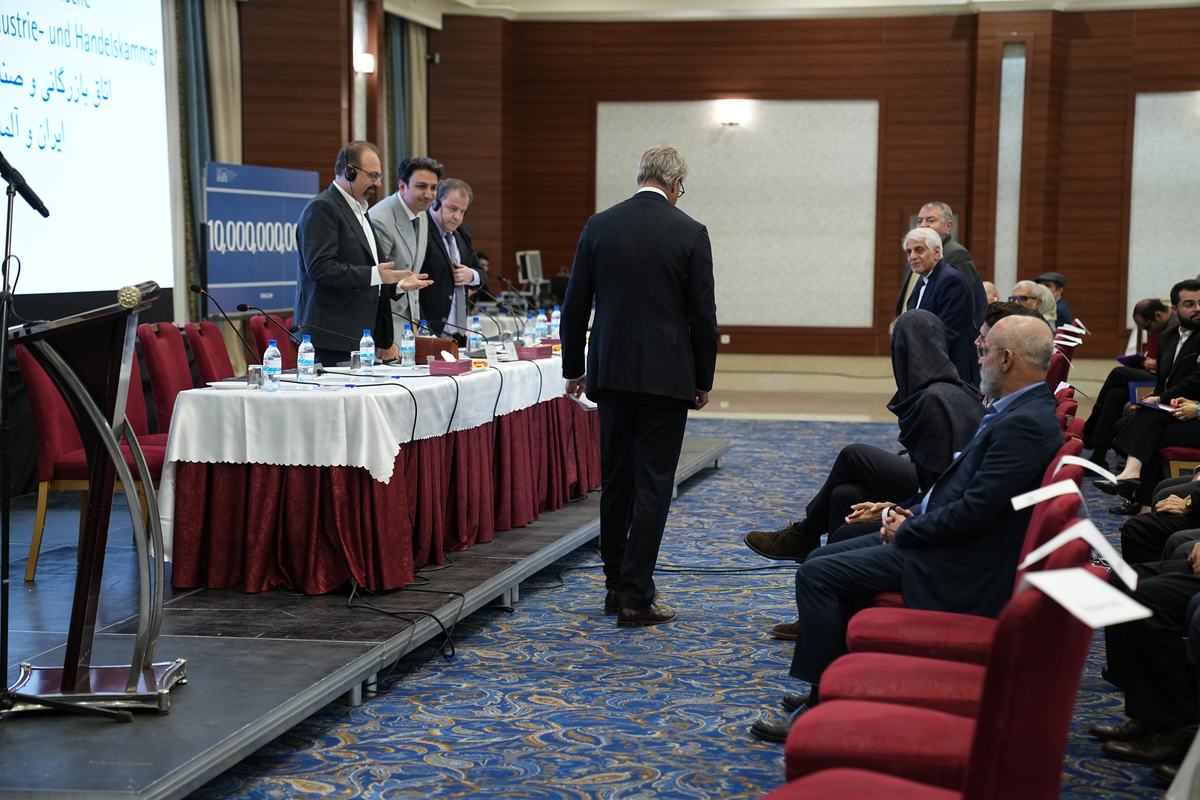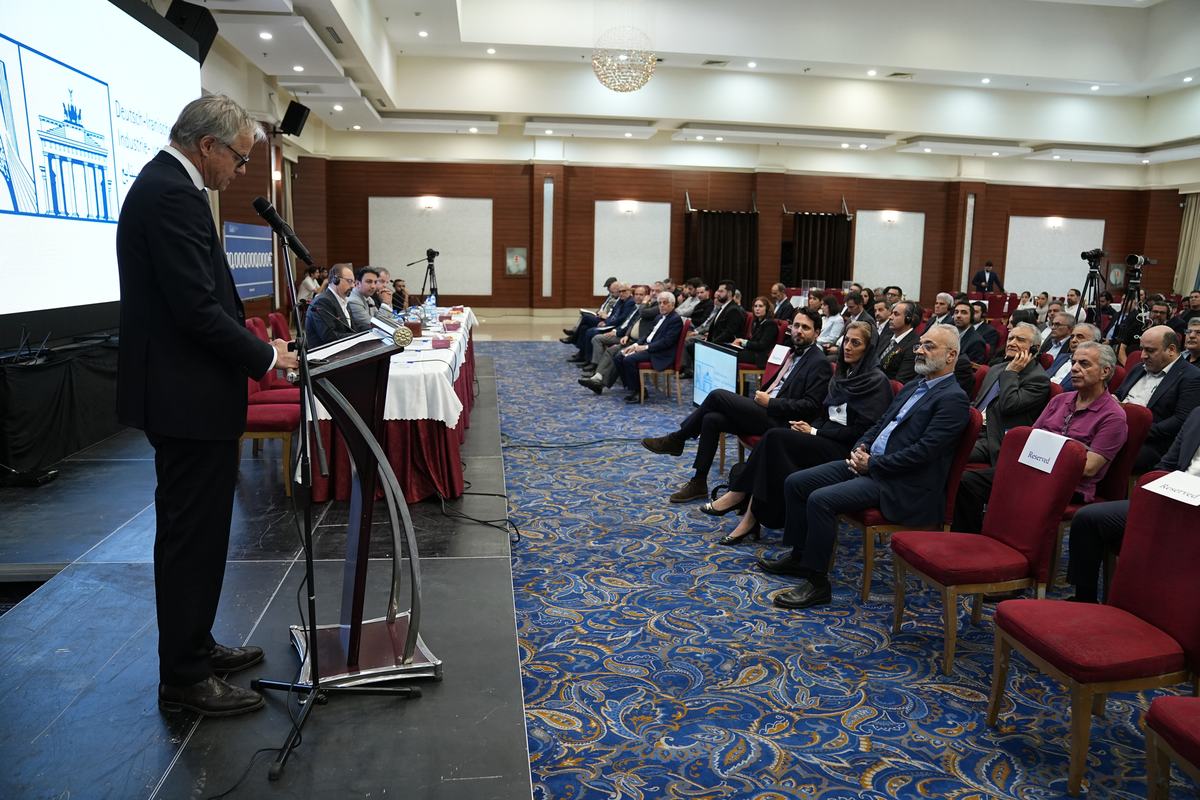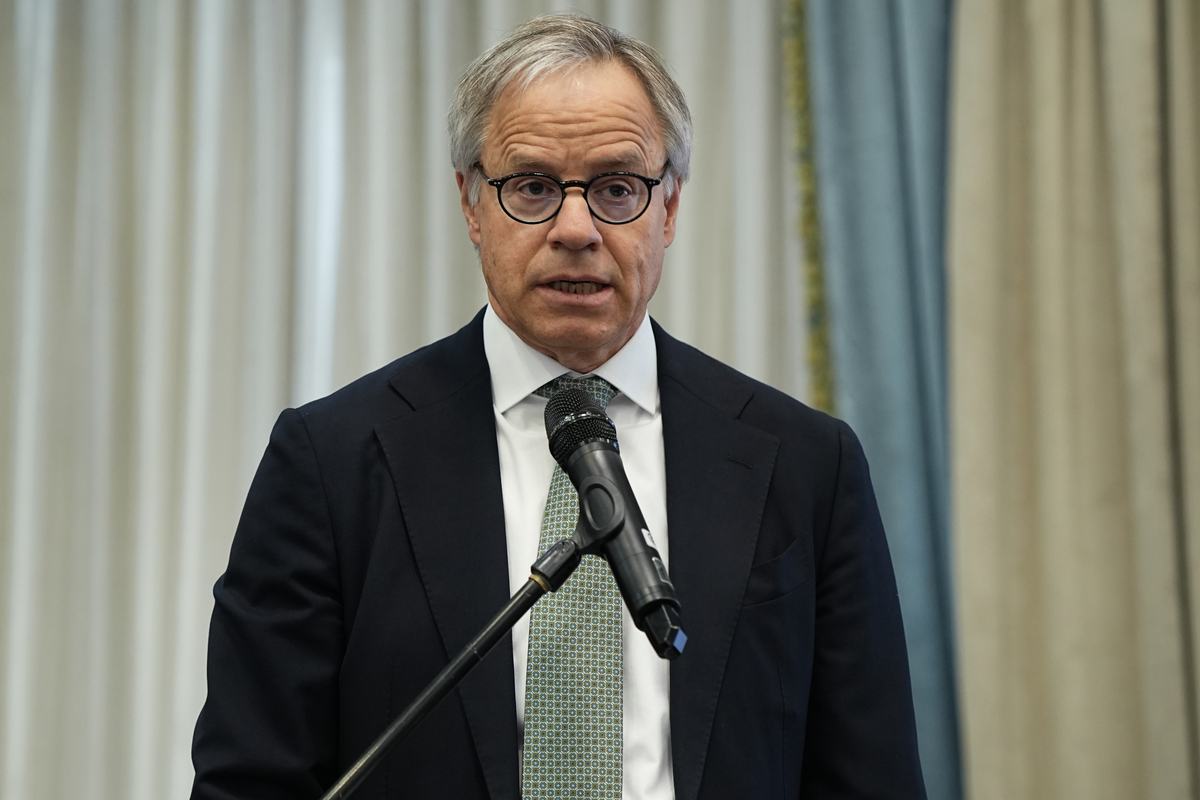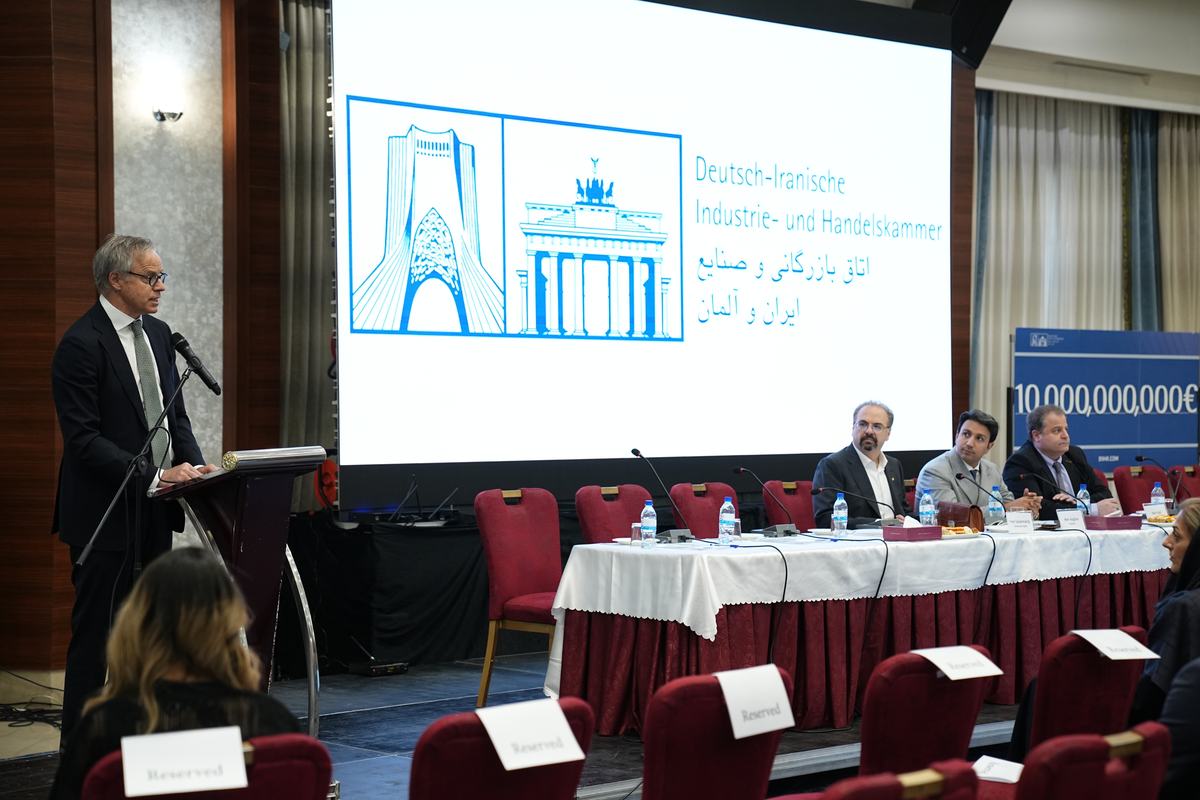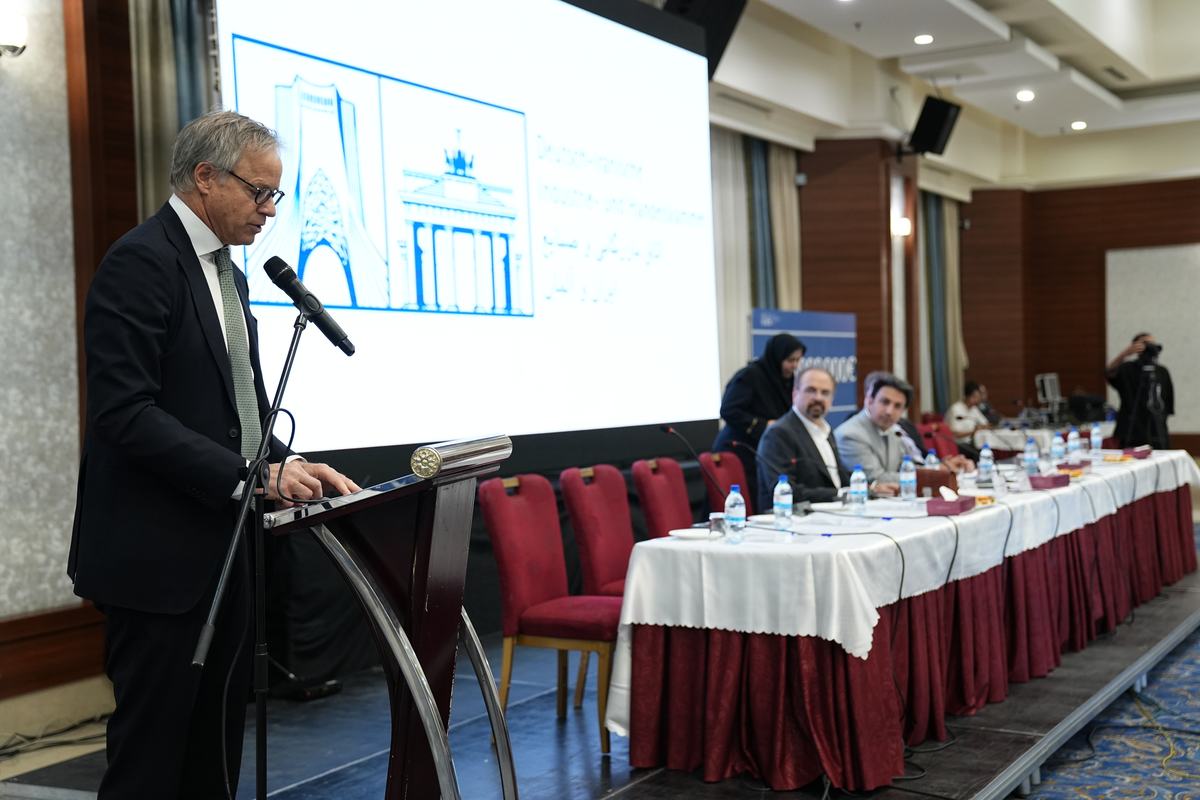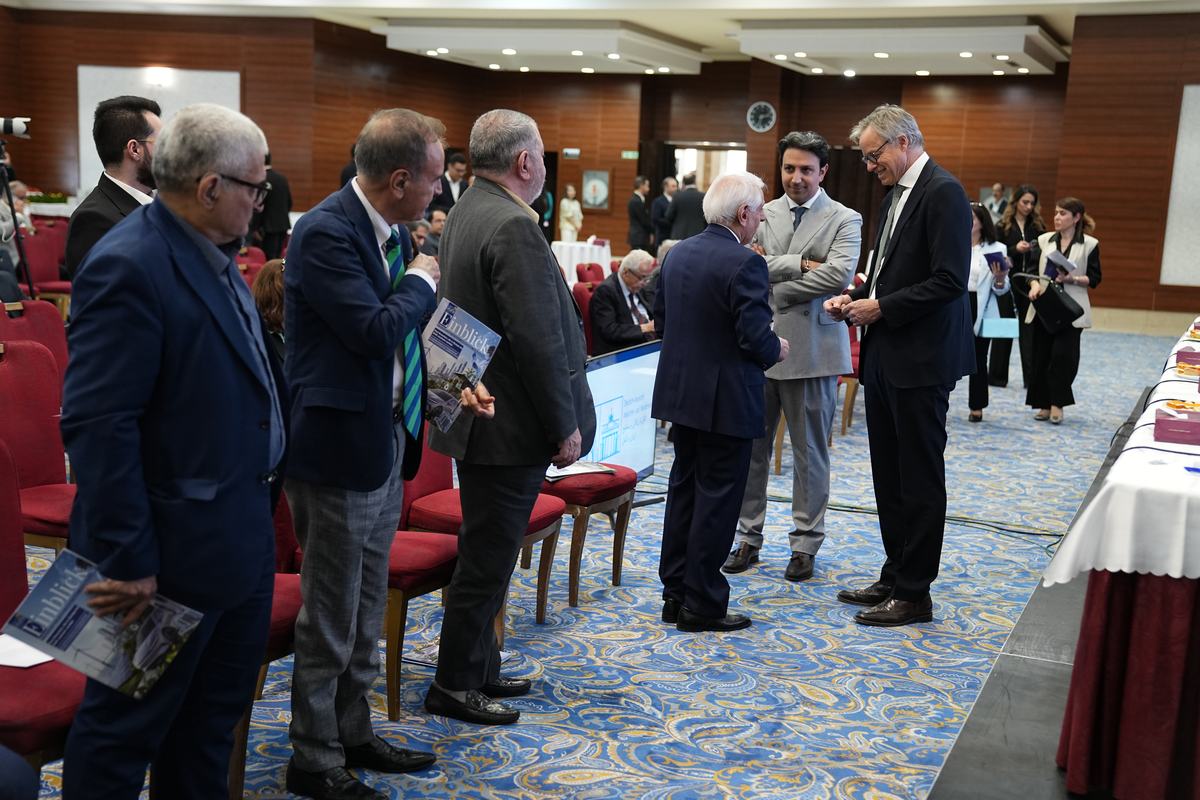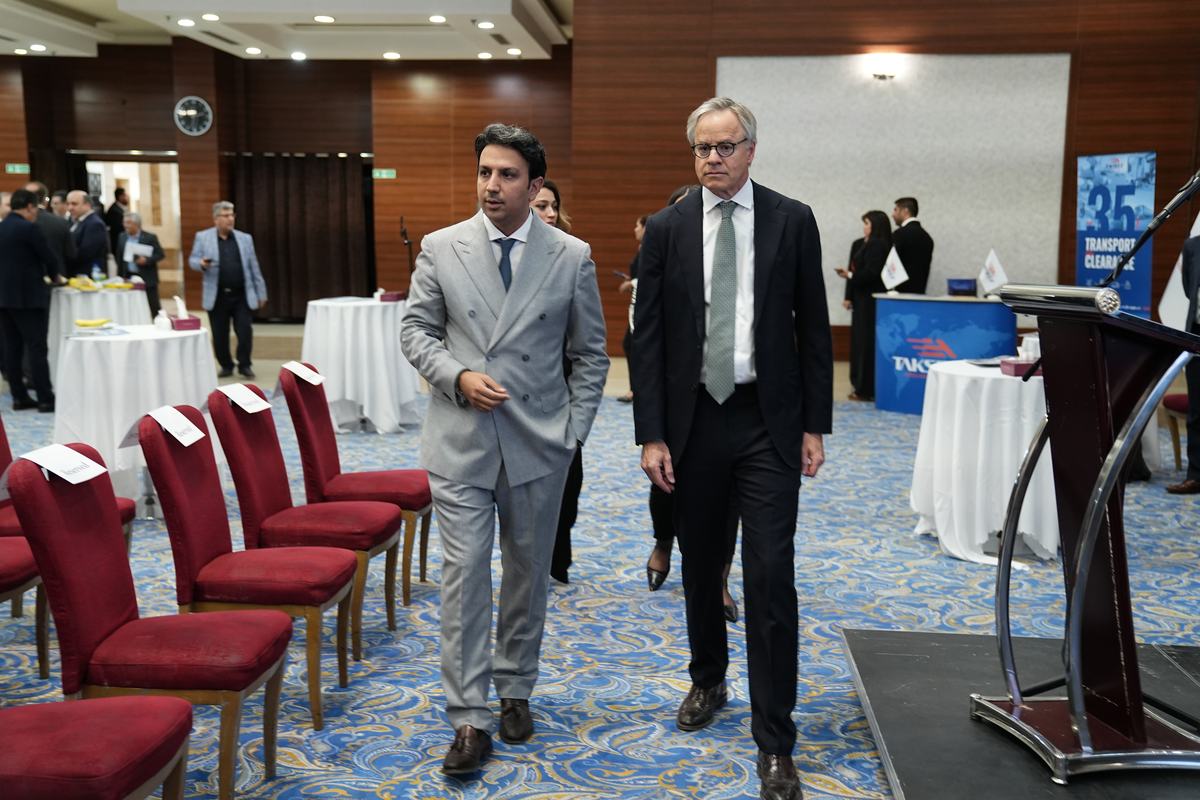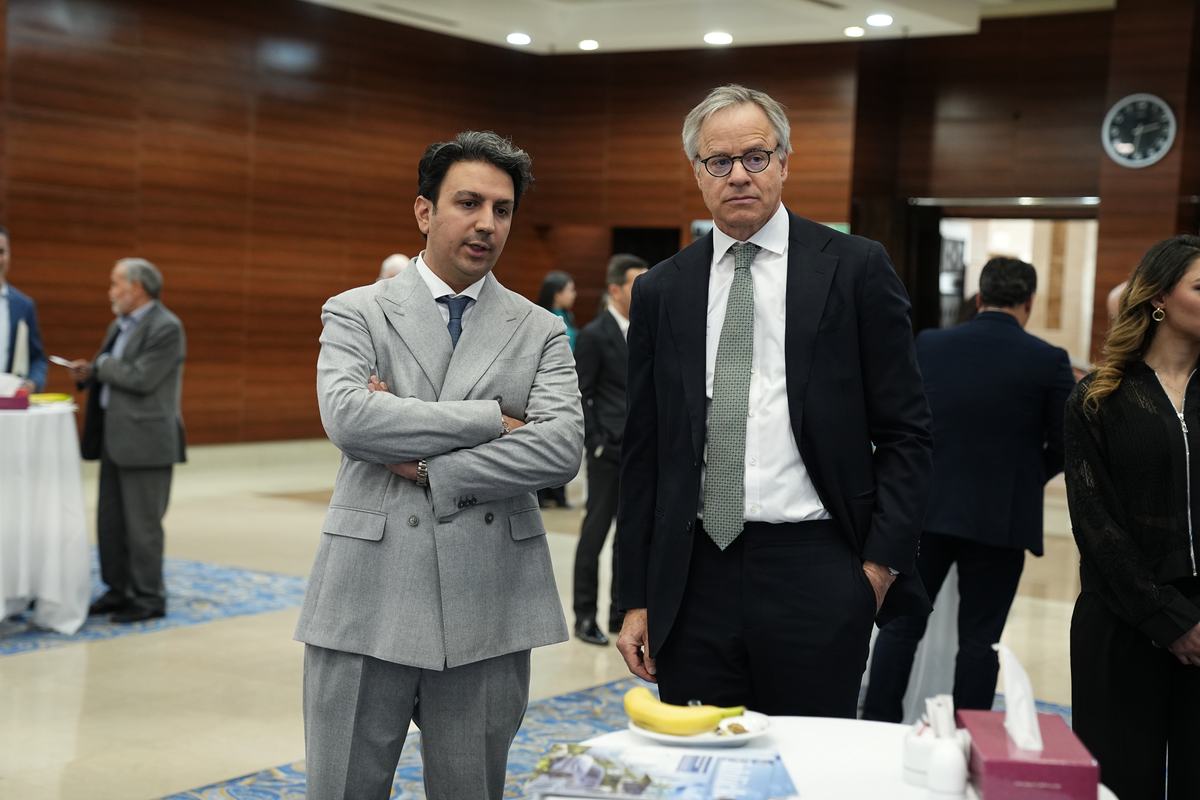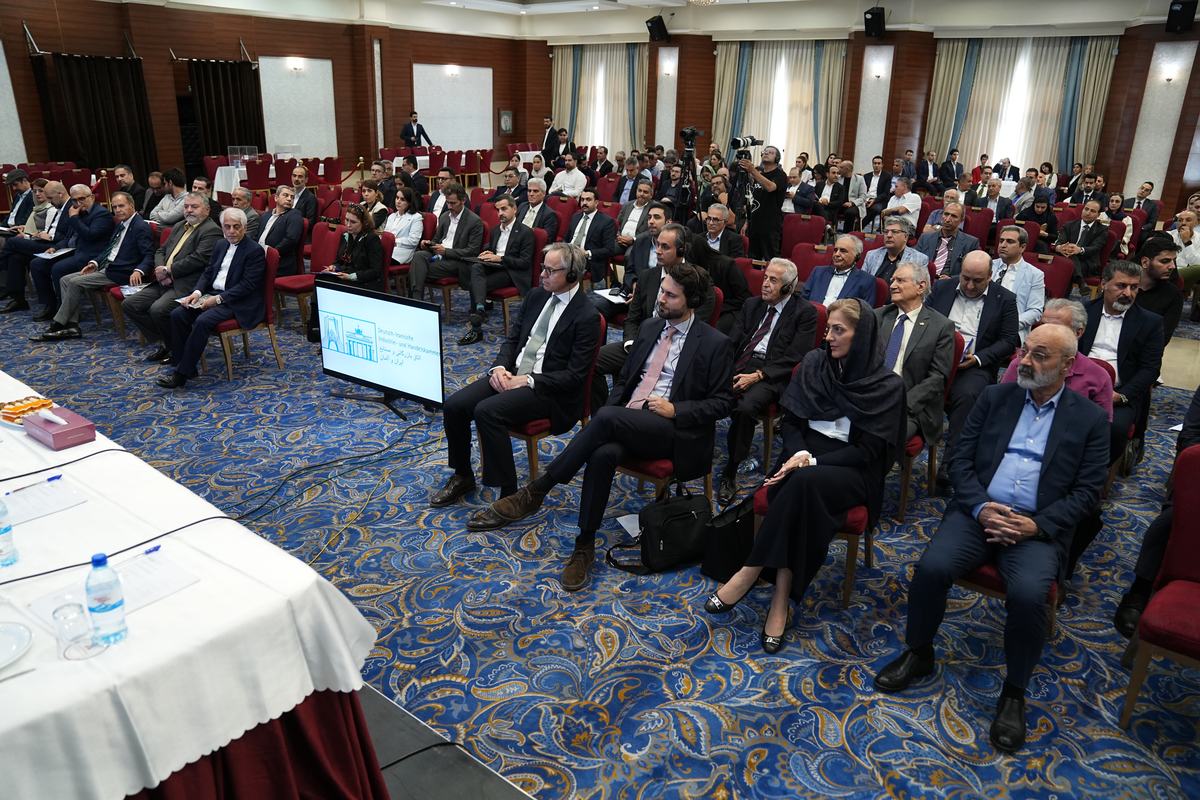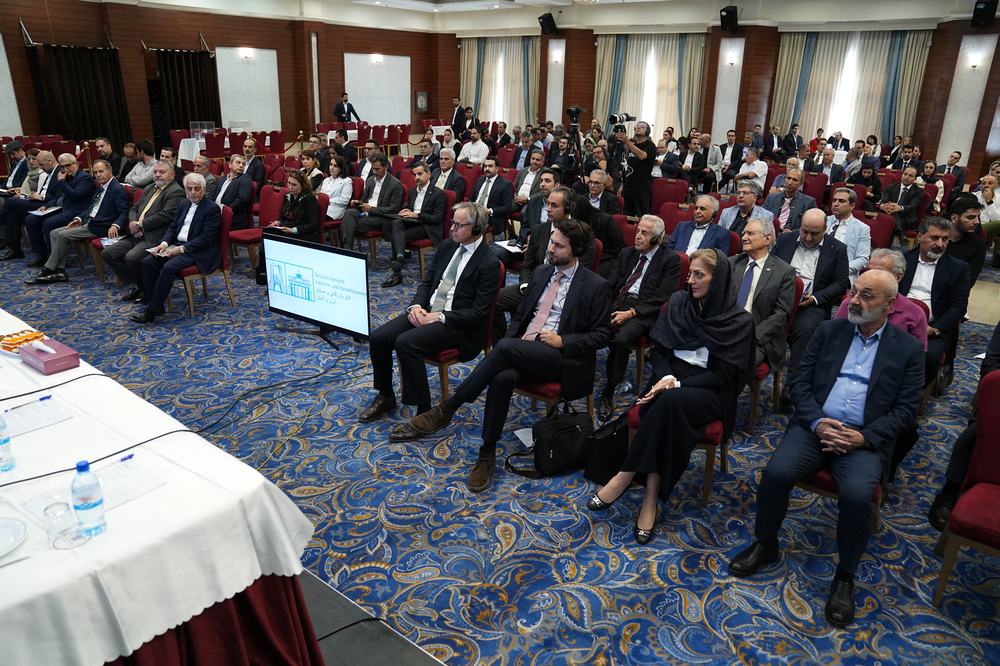
Having served as Germany’s ambassador to Iran for nearly six months, Dittmann opened his remarks by expressing his pleasure at attending the Chamber’s General Assembly.
“It is a great honor for me to open your General Assembly today, especially since I previously had the opportunity to participate in one of the Chamber’s Executive Board meetings,” he said.
The Foundation of Decades-Long Ties
Referring to the Chamber’s members, Ambassador Dittmann stated:
“When I look around this room, I do not simply see entrepreneurs; I see the foundation of the strong and decades-long ties between Iran and Germany.”
Highlighting Germany’s long-standing economic presence in Iran, he added:
“German business has been present in Iran for more than 160 years, and this Chamber has served as the institutional platform for these relations for fifty years—or, as I learned today, fifty-one years.”
He stressed that despite numerous challenges and profound changes in recent years, these ties have endured, with businesses in both countries playing a decisive role in preserving and strengthening these connections.
A Lasting Legacy of German-Iranian Cooperation
The German ambassador described the economic partnership between the two countries as having left a lasting mark on Iran’s industrial and infrastructure development.
He noted that German engineers contributed to the construction of Tehran’s central railway station and significant parts of Iran’s railway network. According to Dittmann, Iran’s highway system and many of its bridges were also developed through German-Iranian cooperation.
He further pointed to Germany’s contribution to Iran’s energy sector, noting that Tehran and several other cities continue to receive electricity from power plants built using German technology. He added that he and his colleagues had recently visited one such power plant south of Tehran.
Dittmann also referred to the continued operation of German industrial machinery across Iranian factories and printing houses.
“In many Iranian factories and printing houses, German machines are still in operation. Some of them may be old, but they remain reliable and precise.”
He described this legacy as “an impressive story of entrepreneurial spirit, cultural exchange and strong human connections,” adding that the Chamber’s members continue to write this story through their daily activities.
Appreciation for the Chamber’s Role During Challenging Times
The ambassador thanked the Chamber’s Executive Board for maintaining bilateral economic ties under difficult circumstances.
“I would like to express my particular appreciation to the Chamber’s Executive Board, whose numerous initiatives have played an important role in supporting our bilateral cooperation during these challenging times.”
He highlighted the organization of business delegations, trade fair visits, German language examinations, and the Chamber’s function as the first point of contact for German companies interested in Iran.
According to Dittmann, these activities demonstrate that the Chamber is far more than a ceremonial institution; it actively sustains communication, cooperation and dialogue between the business communities of both countries.
Bilateral Trade: Today’s Challenges, Tomorrow’s Opportunities
Turning to bilateral trade, Dittmann acknowledged that the past Iranian fiscal year had been marked by considerable economic challenges, significantly affecting commercial relations between Iran and Germany.
“Trade volume declined by around 20 percent in 2025, reaching approximately €1.2 billion, and it is likely to decrease further during 2026.”
He attributed this decline to a combination of international sanctions related to Iran’s foreign policy, structural challenges within the Iranian economy, and broader geopolitical developments.
The ambassador also noted that the German Embassy had been forced to suspend its operations temporarily on two occasions during the past year, but expressed satisfaction that embassy staff had been able to return to Tehran relatively quickly.
He added that if a comprehensive negotiated solution—particularly regarding Iran’s nuclear program—is achieved, Germany, within the framework of the European Union, would be prepared to discuss a review of existing sanctions. He noted that the German Chancellor had recently referred to this possibility at the European level.
Supporting Dialogue and Negotiated Solutions
Addressing political tensions between Iran and Western countries, Dittmann reiterated Germany’s long-standing support for diplomacy.
“The German government has consistently supported resolving the current dispute through negotiations. There is now an opportunity to move toward an agreement. Even as we are sitting here today, negotiations are continuing, and this is of great importance.”
He reiterated that Germany would be prepared to review sanctions within the EU framework should a comprehensive negotiated agreement, particularly concerning Iran’s nuclear program, be reached.
A €10 Billion Vision for Bilateral Trade
Despite current challenges, Dittmann devoted a significant part of his speech to the future potential of economic cooperation.
Referring to the Chamber’s estimate that bilateral trade could eventually reach €10 billion annually, he described this figure as evidence of the substantial untapped potential between the two countries.
According to the ambassador, Iran could benefit from German technology and investment in areas such as renewable energy, water resource management, and the modernization of industrial infrastructure.
“Made in Germany” Still Enjoys a Strong Reputation
Dittmann expressed confidence that the “Made in Germany” brand continues to enjoy a positive reputation in Iran.
He emphasized that German products and technologies remain highly regarded for their quality, reliability and competitiveness.
According to the ambassador, provided that the appropriate framework conditions are in place, Iran could become a highly attractive market for Germany thanks to its abundant natural resources, large domestic market, skilled workforce, dynamic startup ecosystem and developed industrial base.
Reflecting on his experience in Iran so far, Dittmann said he had been impressed by the quality, diversity and resilience of the Iranian economy.
Iran: An Attractive Market with a Diverse and Resilient Economy
The ambassador stressed that Iran’s strengths extend well beyond its natural resources.
Its large domestic market, qualified workforce, industrial capabilities and vibrant innovation ecosystem, he said, create considerable opportunities for expanding economic cooperation with Germany.
“Iran can become a highly attractive market for Germany if the necessary conditions are in place.”
He added that his visits to various sectors of the Iranian economy had revealed an industry that is diverse, capable and resilient, offering significant opportunities for future cooperation.
Trust and Legal Certainty: Essential Conditions for Cooperation
Dittmann underlined that realizing this economic potential requires more than the lifting of sanctions.
He emphasized that trust and legal certainty are equally important. German companies, he argued, must feel confident that they can operate in Iran within a reliable legal and judicial framework.
He encouraged Chamber members and business leaders to continue raising these issues with the relevant Iranian authorities, noting that businesses and chambers of commerce can play an important role in maintaining dialogue, particularly when official diplomatic channels are limited.
The Chamber as a Guardian of Economic, Social and Cultural Bridges
Concluding his address, Ambassador Dittmann praised the Chamber and its members for preserving bilateral relations between Iran and Germany.
“Precisely because official channels are not always easily accessible, entrepreneurs and the Chamber play an important role. You are not a substitute for diplomacy, but you preserve the social, economic and cultural bridges between our two countries.”
He added that the German Embassy remains committed to supporting the Chamber and its members in this mission.
Wishing the Annual General Assembly every success, Dittmann concluded:
“I wish you a successful General Assembly, a strong Chamber, and I sincerely hope that relations between our two countries will continue to improve in the near future.”